What to Do After a Minor Car Accident: A Calm Step-by-Step Guide
Minor accidents are disorienting even when no one is hurt. A scrape in a parking lot or a low-speed bump in traffic can leave you unsure what matters now and what can wait. This guide walks through the what to do after a minor car accident steps in order, so you can protect people, preserve evidence, and handle the calls without rushing.
First minute: make the scene safe
Take a breath and check yourself and your passengers for pain or bleeding. If the vehicles are drivable and it is safe, move them out of traffic, away from intersections and blind curves. Turn on hazard lights. If you cannot move a vehicle, stay buckled, exit on the side away from traffic when possible, and warn approaching drivers.
Call for help when needed
- Call emergency services if anyone is injured, a vehicle is blocking a lane, or there is fire, fuel, or major debris.
- Do not move a seriously injured person unless there is an immediate danger such as fire.
- Keep a safe distance from traffic, exhaust, and hot engine parts while you wait.
If the crash is truly minor and nobody is hurt, many regions allow you to exchange information and report it later. Follow local law and your insurer’s guidance; when in doubt, call the non-emergency police line and ask.
Document the scene carefully
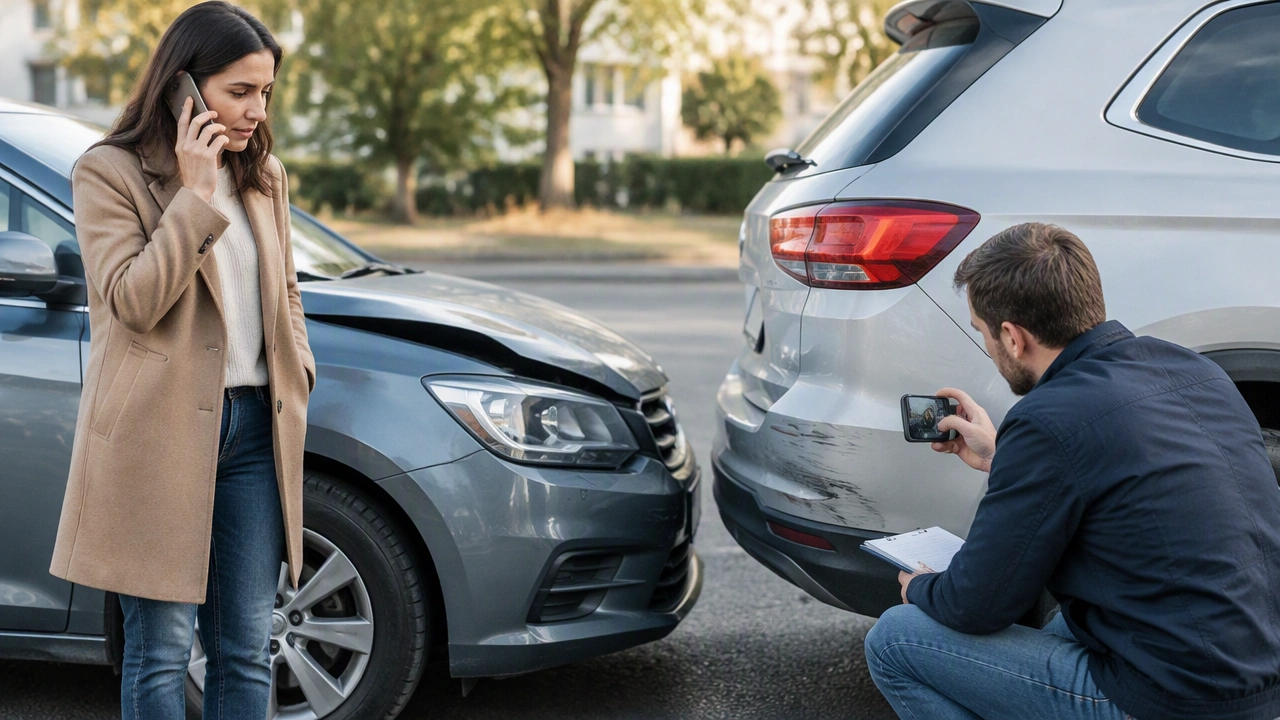
Before vehicles are moved or the road is cleared, capture a clear record. Use your phone to take wide photos of the whole scene, close-ups of damage, skid marks, debris, road signs, and license plates. Photograph the other driver’s license, registration, and insurance card if it is safe to do so. Note the date, time, weather, road surface, and traffic conditions.
Collect facts without assigning blame
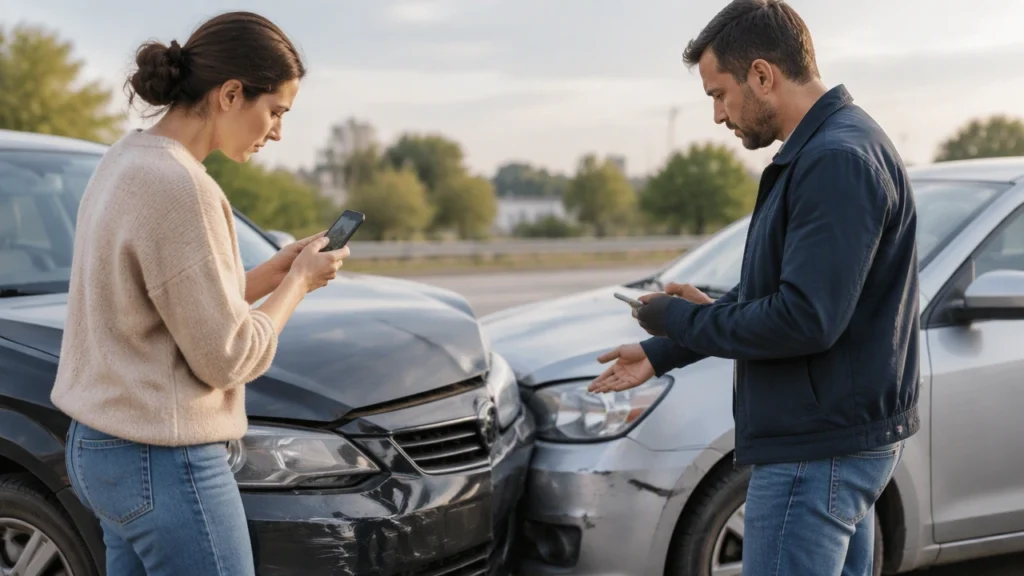
- Other driver: full name, phone number, address, plate number, vehicle make and model, insurer, and policy number.
- Witnesses: names and contact details for people who saw what happened.
- Location: exact street, intersection, mile marker, or parking lot and direction of travel.
Write down what you remember while it is fresh, but keep the wording factual. Avoid apologizing, arguing, or speculating about speed or fault. Stick to observable details: where each vehicle started, what you heard, and where the vehicles ended.
Who to call after the accident
Make the calls in a sensible order. First, emergency services if there are injuries or hazards. Next, the police if required or if fault may be disputed. Then your insurer’s claims line, even if the damage looks small; many policies require prompt notice. Report the other driver’s information and your photos, and ask about towing, rentals, and approved repair shops.
Contact your employer or roadside service
If the car is company-owned, notify your employer and follow its procedure. If you have roadside assistance, call only when the vehicle is safe and you know the exact location. Keep a record of every call: who you spoke with, the time, reference numbers, and what you were told. These notes prevent confusion when the claim moves between departments.
Exchange information and handle the paperwork
Exchange details with the other driver even if the damage seems trivial. Get a copy of the police report number, if one exists, and ask how to obtain the report. Photograph any tow receipt, rental agreement, or estimate. Do not sign a blank form or a release that waives your rights before you understand it.
Notify your insurer promptly
Most policies have deadlines for reporting a loss. Call or use the insurer’s app, describe the sequence of events, and upload photos and documents. Ask for a claim number and the name of the adjuster. If the other driver’s insurer contacts you, you can provide facts, but you are not required to give a recorded statement without checking your own policy or seeking advice.
Keep a simple claim file
- Photos and video of the scene, vehicles, and surroundings.
- Written notes with names, numbers, times, and observations.
- Receipts for towing, transportation, and reasonable repairs.
- Medical records if symptoms appear later, even days afterward.
After you leave: watch for delayed problems
Soreness, headaches, or dizziness can appear hours or days later. Seek medical care if symptoms persist or worsen, and tell the provider the crash may be related. Keep receipts and follow the treatment plan. Continue to document the vehicle: save repair estimates, parts lists, and any rental invoices.
Protect your legal and financial position
Do not admit fault at the scene or on social media. Do not accept an immediate cash offer that requires you to drop the claim. If the other party disputes responsibility, let insurers and, if needed, legal professionals handle it. If you are unsure about local reporting thresholds or deadlines, check your state or provincial rules and your policy wording.
Quick reference checklist
- Stop safely and check for injuries.
- Call emergency services when required.
- Move vehicles if it is safe and legal.
- Photograph everything before cleanup.
- Exchange details and gather witnesses.
- Notify police and insurer as required.
- Save receipts and monitor symptoms.
A calm, methodical response reduces stress and protects your claim. Work through these steps in order, ask for help when a situation feels unsafe, and keep your records in one place. The goal is simple: care for people first, preserve the facts, and let the process unfold with clear documentation.