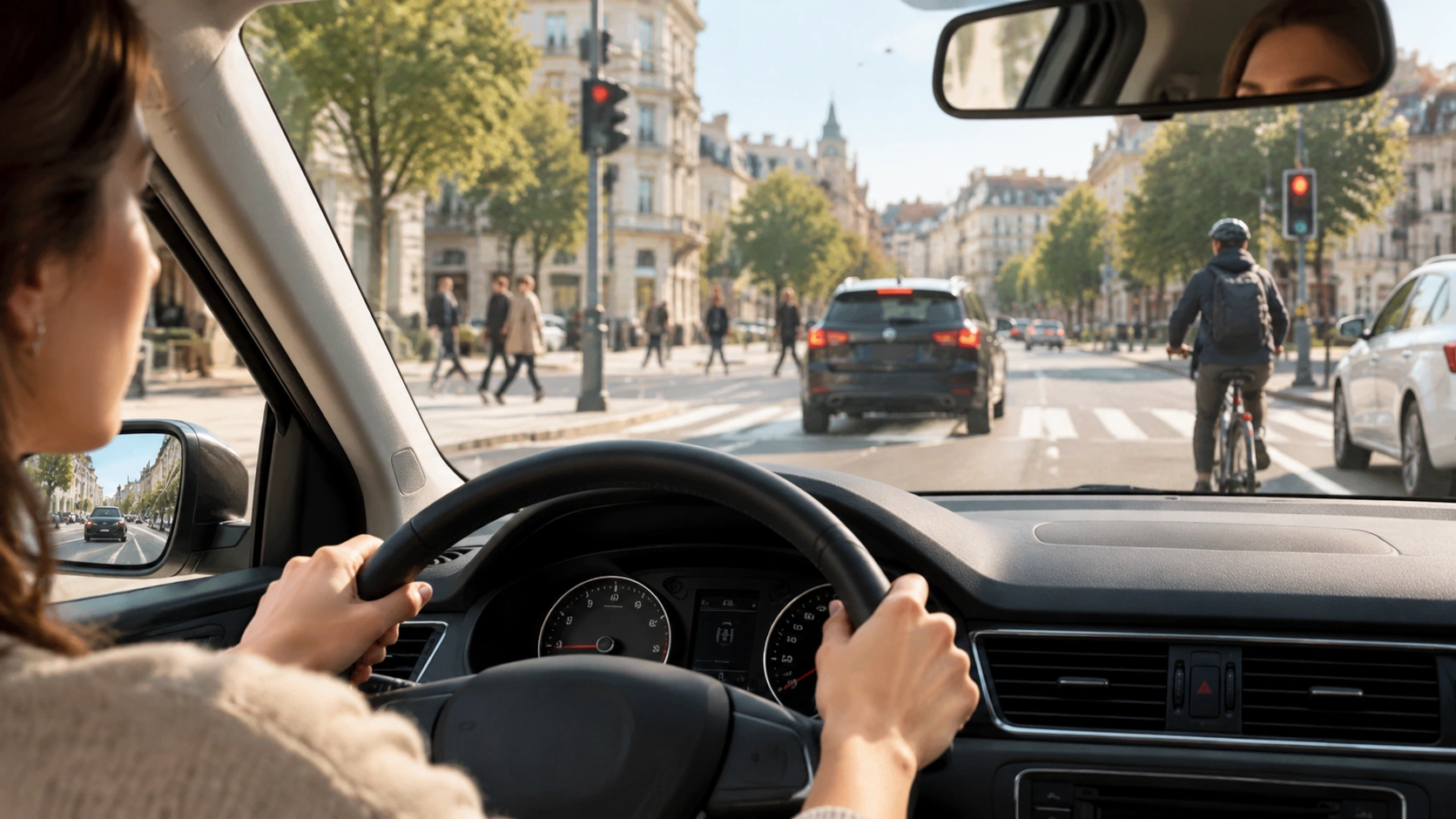
Simple Defensive Driving Habits That Reduce Risk in Busy City Traffic and Intersections
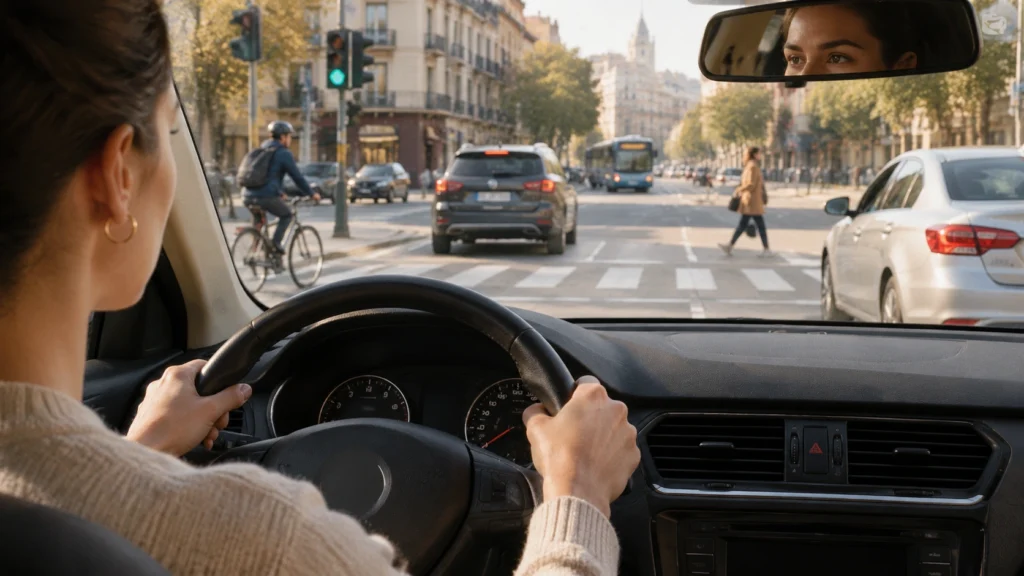
City driving is busy, close, and fast-changing. Crosswalks, buses, cyclists, delivery vans, and scooters often share the same space, and a single distraction can turn into a risky moment. The good news is that simple defensive driving habits can lower your stress and reduce the chance of a collision, especially in heavy traffic and at intersections. These defensive driving tips for city traffic focus on awareness, space, and timing, not fancy maneuvers.
Start With a Calm, Alert Mindset
Before you move, take a breath and settle in. Put your phone out of reach, set your music or navigation once, and check your seat, mirrors, and seatbelt. A calm driver notices more. When you feel rushed, you tend to fixate on the car ahead instead of scanning the whole scene. Aim to drive at the pace of traffic while staying within the speed limit, and give yourself enough time so you do not feel forced to hurry.
Use the 360-Degree Scan
Good city drivers scan in layers:
- Far ahead: Look two to three blocks forward to spot brake lights, turning buses, or a yellow light changing to red.
- Mid-range: Watch for pedestrians stepping off the curb, cars creeping into crosswalks, and vehicles drifting in their lanes.
- Close range: Keep an eye on the bumper ahead, the mirrors, and your blind spots before any lane change.
Scan left-right-left before every intersection, even on a green light. City crashes often happen because a driver looked only straight ahead.
Protect Your Space at Intersections
Intersections are the highest-risk spots in a city. Treat every green light as a chance to verify, not a promise of safety.
- On green: Cover the brake lightly and check left-right-left before entering.
- On stale green: If the light has been green for a while, prepare to stop smoothly rather than speed through.
- On yellow: Stop if you can do so safely. Rushing a late yellow often leads to a hard braking event or a side-impact crash.
- On red: When the light turns green, pause for a moment and make sure cross traffic has cleared.
Give yourself at least a three-second following gap at intersections. In rain, extend it to five seconds. This space gives you time to react if a car ahead stops suddenly or a pedestrian appears.
Master the Slow Roll and Creep
At crowded intersections, a slow, controlled roll is safer than a quick burst of speed. Creep forward only when you can still stop easily. Keep your foot near the brake, not the accelerator, when moving through a tight area. This habit helps you react to hidden hazards like a child between parked cars or a cyclist in your blind spot.
Use Mirrors and Shoulder Checks Every Time
Mirrors are helpful, but they do not show everything. Make a habit of:
- Checking mirrors every five to eight seconds in city traffic.
- Shoulder checking before lane changes, merges, and turns.
- Glancing at crosswalks before you move forward, even on a green arrow.
This simple routine catches cyclists, scooters, and pedestrians who may be in your blind spot.
Keep a Door-Width Buffer With Parked Cars
In dense city streets, open doors are a real hazard. Stay at least a door-width away from parked cars when possible. Watch for drivers sitting inside parked vehicles and for brake lights on cars along the curb. When you must pass closely, slow down and be ready to stop.
Signal Early and Communicate Clearly
Predictability reduces risk. Signal at least three to five seconds before turning or changing lanes. Tap your brakes gently to warn drivers behind you when you need to slow down in tight traffic. A short horn tap can also be a polite alert if a driver starts drifting toward you, but avoid aggressive use.
Adjust for Buses, Trucks, and Large Vehicles
Buses and delivery trucks stop often and block views. Do not try to squeeze past a bus at a bus stop, and do not assume other drivers can see you when you are beside a large vehicle. If you cannot see the truck driver’s mirrors, the driver likely cannot see you. Give them extra room and be patient.
Manage Speed With Gentle Inputs
Smooth driving is safer driving. Avoid sudden braking or sharp acceleration in traffic. Keep your speed steady and match the flow without exceeding the limit. Use engine braking where possible, and keep a light, consistent pressure on the brake pedal in slow-moving lanes. This helps prevent rear-end crashes and makes your movements easier for others to read.
Plan for Common City Hazards
- Pedestrians: Expect people to cross mid-block. Watch for phones, headphones, and children.
- Cyclists: Check your right mirror before right turns. Leave space when passing bikes.
- Ride-share and delivery stops: Watch for sudden stops and double-parked vehicles.
- Weather: Rain and oil make intersections slick. Slow down and increase following distance.
Keep Your Car Ready for the City
Good defensive driving includes basic maintenance. Make sure your headlights, brake lights, and turn signals work. Keep tires properly inflated and wipers in good condition. A clean windshield and side mirrors reduce glare and help you see hazards sooner.
Stay Patient and Reset After Mistakes
Everyone makes small errors in city traffic. If you miss a turn or brake late, do not double down with risky moves. Continue safely, find the next opportunity, and reset your focus. A calm driver recovers faster and keeps risk low.
These habits are simple, but together they form a strong defensive driving routine. Practice them on your daily commute, and they will become automatic. With time, you will feel more confident, more aware, and far less stressed in busy city traffic and intersections.