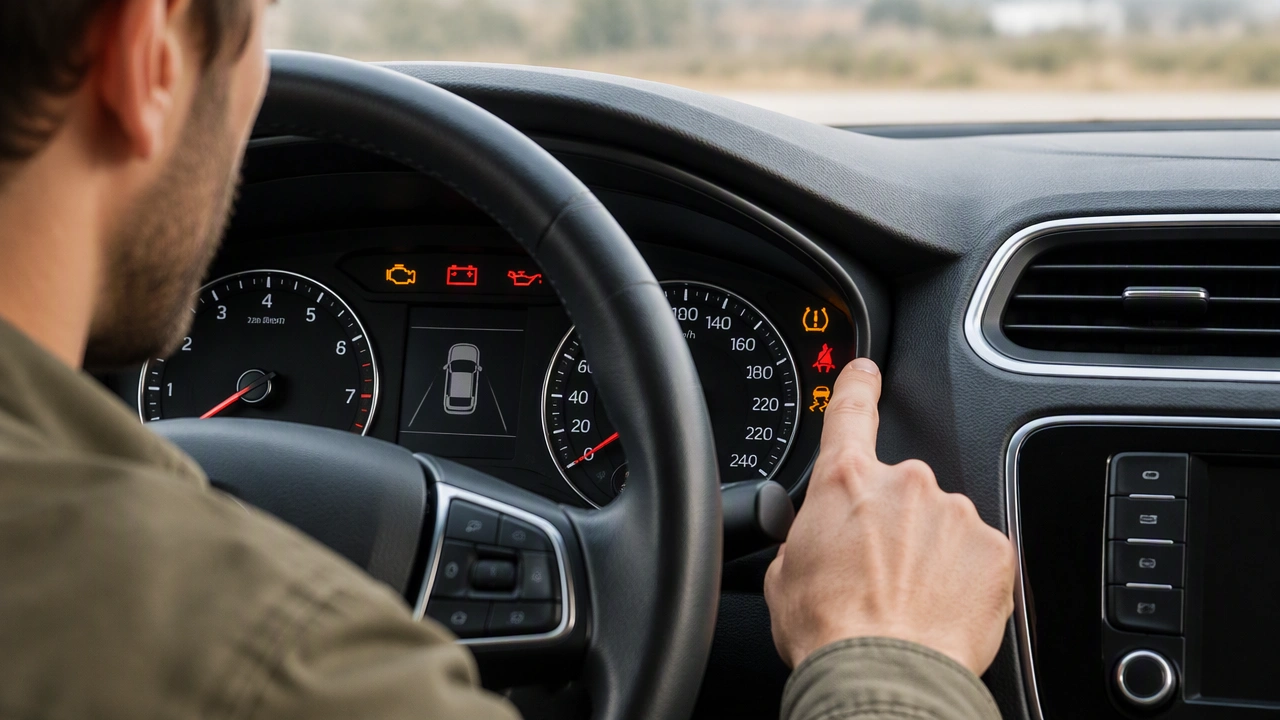
What Do Dashboard Warning Lights Mean? A Practical Guide for Everyday Drivers
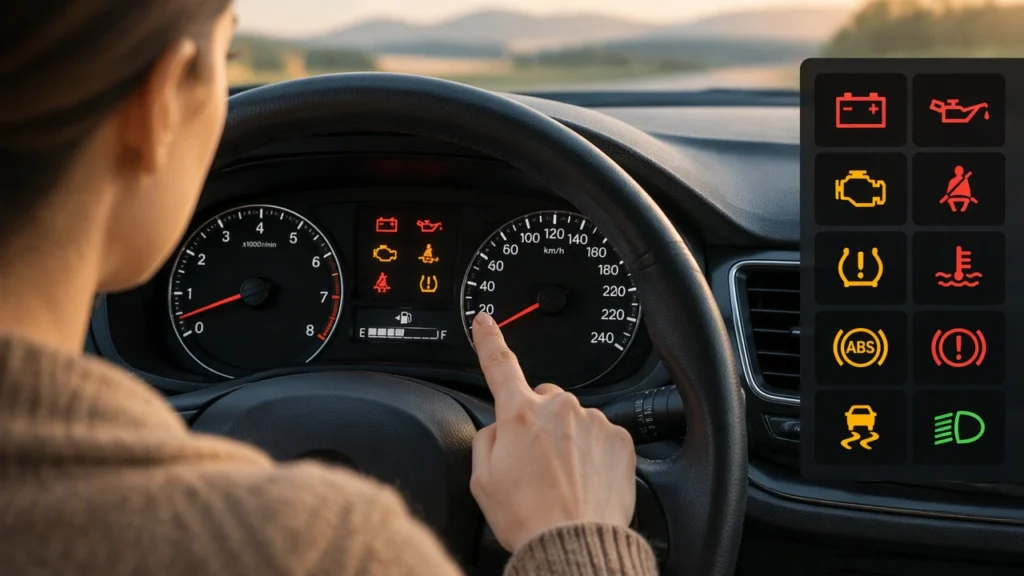
Modern cars communicate with you through the instrument cluster, and those small icons can feel confusing until you know what they represent. If you have ever wondered what do dashboard warning lights mean, you are not alone. The good news is that most lights follow simple color rules and repeatable patterns that you can learn in a short time. This guide explains the most common lights, what they usually indicate, and how urgently you should act.
Knowing these basics helps you avoid small problems turning into big repairs. It also keeps you safer on the road, because some lights call for an immediate stop while others can be handled later the same day. Many vehicles also pair a light with a message on the driver display, which adds useful detail. A quick glance at the cluster each time you start the car is a smart habit, and so is keeping your owner’s manual in the glove box for deeper explanations.
How warning lights are color coded
Most manufacturers use a simple color system. Red generally means stop soon or stop now. Amber or yellow means check soon, but you can often finish a short trip with care. Green or blue usually indicates a system is active, like high beams or cruise control. If a light flashes instead of staying steady, treat the situation as more urgent than a steady light.
Color is only the first clue. Context matters too. A light that appears while you are driving differently than at startup, or one that appears with a message or chime, usually carries more weight. When in doubt, pull over when it is safe, check the manual, and decide whether to continue or call for help.
Red lights that often require immediate action
- Oil pressure warning: A red oil can icon means low oil pressure. Stop the engine as soon as it is safe, check the oil level if you can, and avoid driving until the cause is found. Running the engine with low pressure can cause serious damage quickly.
- Charging system / battery: This does not always mean a bad battery. It often points to an alternator or belt problem. Turn off nonessential electronics, plan to stop soon, and get the car checked the same day.
- Coolant temperature: A red thermometer icon means the engine is overheating. Pull over, let the engine cool, and do not remove the radiator cap while it is hot. A quick check of coolant level can help, but repeated overheating needs professional attention.
- Brake system: A red BRAKE or exclamation light can indicate low brake fluid or a hydraulic issue. If the pedal feels normal and the parking brake is off, you may drive cautiously to a safe stop, but do not delay. If the pedal feels soft or the car pulls, stop immediately.
- Airbag or seat belt pretensioner fault: This means a safety system may not work as designed in a crash. Drive to a service center soon and avoid carrying passengers if possible until the system is checked.
- Seat belt reminder: This is a reminder, not a fault. Buckle up to turn it off.
Amber or yellow lights that mean check soon
- Check engine light: A steady light means the engine management system detected a fault. You can usually drive to a shop, but avoid hard acceleration and towing. A flashing check engine light is more serious and often indicates a misfire that can damage the catalytic converter. Reduce speed, avoid heavy loads, and get service as soon as possible.
- Traction control or stability control: A blinking light means the system is actively working. A steady light often means a sensor or related fault. You can drive carefully, but have it diagnosed soon, especially in bad weather.
- Anti-lock braking system (ABS): The car may still brake, but you may lose ABS function. Drive gently, avoid hard stops, and schedule service quickly.
- Tire pressure monitoring system (TPMS): One or more tires may be low or the sensors may need attention. Check pressures when safe and inflate to the number on the door jamb sticker, not the tire sidewall.
- Engine temperature or coolant level: A yellow version means the system needs attention soon. Top up coolant if you are comfortable doing so, and have the cooling system checked for leaks.
- Service engine soon or maintenance required: Some cars use these for scheduled service. They are not always urgent, but you should book an appointment and not ignore them for long.
Green and blue lights that are usually informational
- High beam indicator: Blue light means your high beams are on. Use them on dark roads when there is no oncoming traffic.
- Cruise control: Green icon means the system is armed or active.
- Eco or EV mode: These show efficient driving or electric mode in hybrids and EVs.
- Lane keeping or driver assist icons: Green means the system is ready or active. A color change or warning means it is limited or unavailable.
What to do when a light comes on
Stay calm and assess the situation. If the light is red, or if you notice noises, smells, smoke, vibration, or a change in how the car drives, find a safe place to stop. If the light is amber and the car feels normal, you can often continue to a safe destination at reduced speed. Avoid towing, heavy loads, and spirited driving until the issue is resolved.
Use the owner’s manual to confirm what the symbol means. Many modern cars also show a short message in the instrument cluster or infotainment screen. Check basic items you can safely inspect, like tire pressure and coolant level, only when it is safe and the engine is cool. If the light goes off after a restart, the issue may have been temporary, but consider scanning for diagnostic trouble codes to see what triggered the warning.
Why lights sometimes turn off by themselves
Some faults are intermittent. If the computer sees the problem clear, it may turn the light off after several good drive cycles. That does not always mean the root cause is gone. A scan tool can reveal stored codes even when the light is off, which helps you decide if further checks are needed.
Smart habits that prevent surprises
- Check tire pressure monthly and before road trips.
- Maintain oil, coolant, and brake fluid according to the service schedule.
- Keep the battery and charging system in good shape, especially before cold weather.
- Do not ignore small changes in pedal feel, steering, or engine noise, even if no light appears yet.
- Carry a basic emergency kit and know where you can get help on your usual routes.
Understanding what dashboard warning lights mean turns a stressful moment into a manageable one. A quick glance, a simple color rule, and a few calm steps are usually all you need to protect yourself and your vehicle.