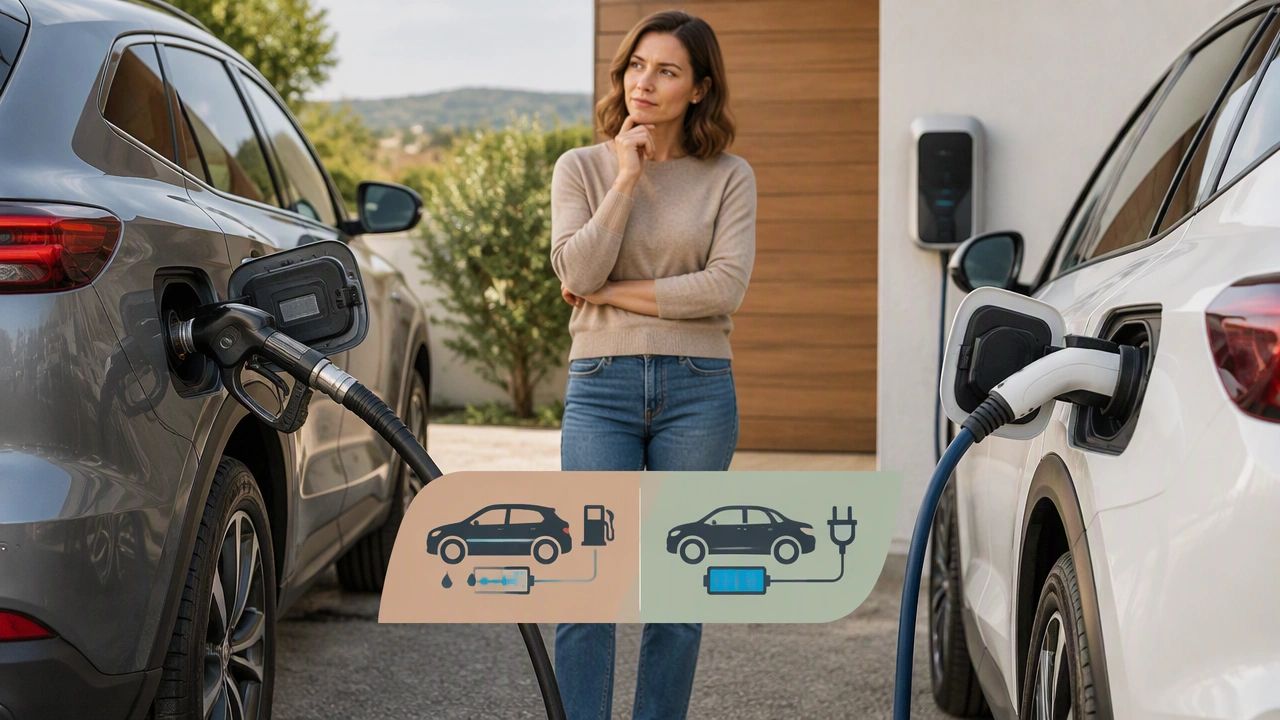
Hybrid vs Plug-in Hybrid Explained: A Clear Car Forum Guide for Everyday Drivers
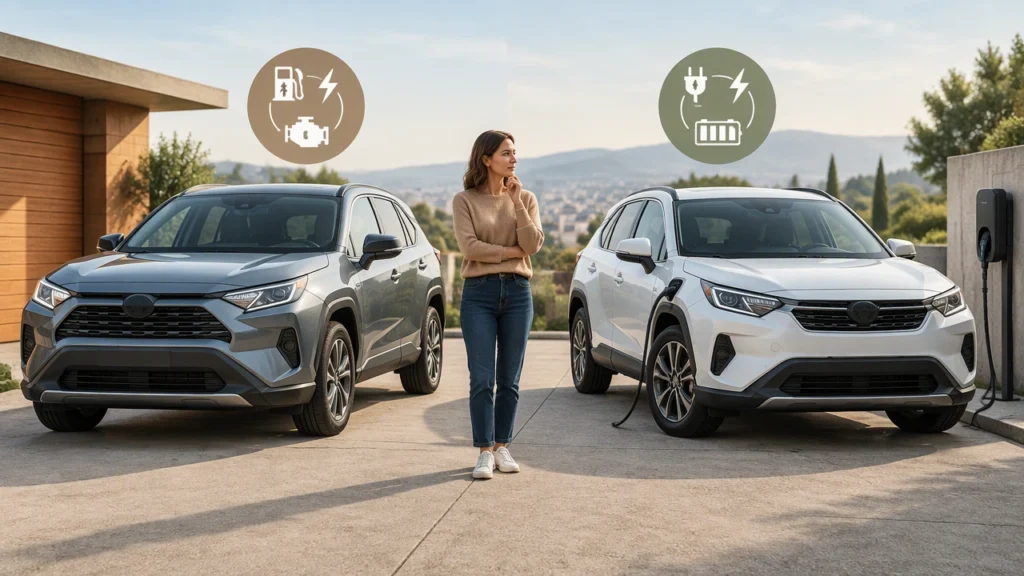
When you are shopping for a fuel-efficient car, the terms can feel confusing. This guide breaks down the difference between hybrid and plug-in hybrid systems in plain language, so you can choose the right fit for your routine. If you are new to these technologies, think of both as ways to use electricity and a gasoline engine together, but they do it in different amounts and with different habits.
How a standard hybrid works
A standard hybrid, often called a HEV, pairs a gasoline engine with a small electric motor and battery. You do not plug it in. The car charges itself through regenerative braking and by using excess engine power while you drive. At low speeds, many hybrids can run on electricity alone for short moments, such as creeping in a parking lot. When you accelerate harder or climb a hill, the gasoline engine wakes up and works with the motor.
The main goal is to reduce fuel use by letting the electric motor help during the moments when a gas engine is least efficient. The battery is small, so it cannot carry you on electric power for long. That is why you never need a charger. The car manages everything for you, and your only routine is fueling with gasoline as usual.
How a plug-in hybrid works
A plug-in hybrid, or PHEV, uses the same idea but adds a much larger battery and a charging port. You plug it in at home, at work, or at a public station. On a full charge, many plug-in hybrids can drive 20 to 50 miles on electricity alone, depending on the model, battery size, and driving conditions. That is often enough for daily errands, commuting, or school runs without using much gasoline.
When the battery runs low, the car switches to hybrid mode and runs like a standard hybrid, using the gasoline engine with electric help. This gives you the flexibility of electric driving for short trips and the long range of gasoline for road trips. You can choose how often to charge based on your lifestyle.
Key differences you will notice in daily use
- Charging habit: A standard hybrid never needs plugging in. A plug-in hybrid benefits from regular charging to get the most electric-only miles.
- Electric range: Standard hybrids have very limited electric-only driving, usually just at low speeds for short periods. Plug-in hybrids offer meaningful electric range that can cover many daily trips.
- Fuel use: Both save fuel compared to conventional cars. Plug-in hybrids can save more if you charge often and drive within their electric range. If you rarely plug in, a PHEV may act much like a standard hybrid.
- Performance feel: Both types can feel smooth and quiet at low speeds. Plug-in hybrids often feel stronger when accelerating from a stop because the larger electric motor can provide more instant power.
- Cost: Plug-in hybrids usually cost more upfront than comparable standard hybrids. However, they may qualify for incentives depending on where you live.
Charging and infrastructure
Standard hybrids do not require any charging equipment, so there is no extra setup at home. Plug-in hybrids can be charged with a regular household outlet for slower charging or with a Level 2 charger for faster, more convenient charging. Many owners install a simple home charger so overnight charging becomes effortless.
Public chargers are helpful if you want faster top-ups during the day, but they are not required. The main point is that plug-in hybrids give you the option to use electricity more often, which can lower running costs and reduce local tailpipe emissions during electric driving.
Costs and incentives
Plug-in hybrids typically have a higher purchase price because of the larger battery and charging hardware. Standard hybrids tend to be more affordable and may offer a simpler ownership experience with no charging routine.
Operating costs depend on your habits. If you charge regularly and many of your daily trips fit within the electric range, a plug-in hybrid can cut your gasoline purchases significantly. If you drive long distances daily and cannot charge often, the fuel savings may be smaller. Maintenance is generally similar between the two, though both can benefit from less brake wear thanks to regenerative braking.
In some regions, plug-in hybrids may be eligible for tax credits or other incentives. These programs change over time, so check your local rules before you buy.
Which one fits different lifestyles
Short commuters who can charge at home or work
A plug-in hybrid is often a strong choice. You can handle most daily driving on electricity, then use gasoline for weekend trips without range worry. This setup can lower fuel costs and reduce local emissions while keeping things simple.
Drivers with long daily commutes and limited charging access
A standard hybrid may be the better match. It saves fuel without needing a charger, and it avoids the higher purchase price of a PHEV. You just drive and refuel as usual.
Households that want flexibility
If you want electric driving for errands and gasoline for road trips, a plug-in hybrid offers both. If you prefer a no-plug, low-fuss approach with strong efficiency, a standard hybrid is easier to live with.
Performance, towing, and cold weather
Both types are smooth and quiet around town. Plug-in hybrids can feel quicker off the line because of the larger electric motor. If you plan to tow, check the manufacturer’s rating carefully. Towing reduces electric range in a PHEV and can lower fuel economy in a standard hybrid.
Cold weather affects batteries in both systems. Electric range in a plug-in hybrid can drop in winter, especially if you use the heater heavily. Standard hybrids also see some fuel economy change in cold weather, but the impact is usually smaller because they rely less on battery-only driving.
Maintenance and reliability
Both systems use proven components. Regenerative braking can extend brake life. Follow the manufacturer’s service schedule for oil changes, coolant, and inspections. Plug-in hybrids add charging equipment and a larger battery pack, but modern systems are designed for long-term use. Standard hybrids have a simpler setup, which can mean fewer variables over time.
How to decide between them
- Do you have reliable charging at home or work? If yes, a plug-in hybrid can give you daily electric driving with gasoline backup.
- Are your daily trips mostly short? A plug-in hybrid can cover many of them on electricity. A standard hybrid will still save fuel without charging.
- Do you prefer the simplest routine? A standard hybrid needs no plugging in and has a lower entry price.
- Do you want to reduce local tailpipe emissions on short trips? A plug-in hybrid can do that when charged regularly.
- Is upfront cost a priority? Standard hybrids are usually more affordable.
The bottom line
Both standard hybrids and plug-in hybrids are practical ways to use less fuel. The main difference between hybrid and plug-in hybrid is how much driving you can do on electricity and whether you plug in. A standard hybrid is self-charging and simple. A plug-in hybrid adds electric range and flexibility, especially if you can charge regularly. Think about your daily miles, your charging options, and your budget, and you will be able to pick the system that fits your life without compromise.