How to Improve Fuel Economy in Daily Driving: Easy Changes That Really Work
Fuel economy is not only about the car you own; it is also about how you drive and maintain it. Many everyday drivers see noticeable gains from small changes that are easy to stick with. If you have ever wondered how to improve fuel economy while driving, start with steady habits, smooth control, and simple upkeep. These steps do not require special tools or a weekend in the garage, and they work across many types of vehicles.
Before getting into details, remember that results depend on traffic, terrain, weather, and your car’s condition. Even so, most drivers can reduce wasted energy and get more consistent mileage by focusing on smooth inputs and smart routines.
Start With Smoother Driving Habits
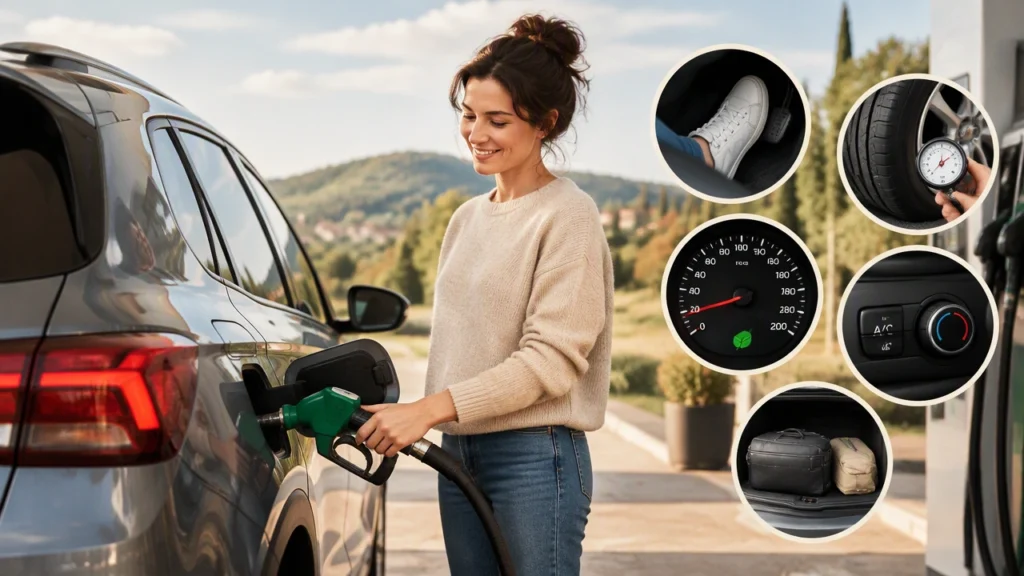
The biggest gains often come from how you use the pedals. Gentle acceleration from a stop helps the engine work in its efficient range, while sudden bursts of speed tend to burn extra fuel without saving much time in daily traffic. Try to move away from lights with calm throttle input and aim for steady speed once you reach the flow of traffic.
Anticipation matters just as much. Look farther ahead and adjust early for red lights, stop signs, and slowdowns. When you coast toward a stop instead of braking late, you save fuel and reduce wear on brakes and tires. Leave a bit more space from the car ahead so you can keep a constant speed instead of repeating small accelerations and decelerations.
Use Light Throttle and Avoid Unnecessary Revs
High engine speed uses more fuel. Short-shifting in a manual car, or letting an automatic select a higher gear during calm cruising, keeps revs lower. On most modern cars, the tachometer or the gear display can help you see when the engine is working harder than it needs to. Smooth, moderate throttle is usually the most efficient way to drive.
Drive at Steady Speeds When You Can
Speed control is a key part of efficiency. Each car has a range where aerodynamic drag and engine load balance well; for many vehicles, steady speeds between about 50 and 70 mph are more efficient than constant speed changes. On highways, using cruise control on flat roads helps maintain a steady pace. On hilly roads, it may be better to manage the throttle yourself to avoid heavy acceleration on climbs.
Reduce Idle Time and Warm Up Wisely
Extended idling wastes fuel and adds little benefit in most modern cars. If you expect a stop of more than a minute, it is usually better to turn the engine off. At home, in parking lots, or during curbside pickups, a brief idle is fine, but long warm-ups are not necessary. A short, gentle drive helps the engine reach efficient operating temperature faster than sitting still.
In winter, remove snow and clear windows quickly, then start driving gently. The cabin will warm up as the engine reaches temperature, and light driving helps the fluids circulate. Heavy revving while cold is not helpful and can increase wear.
Keep Tires and Maintenance Simple but Consistent
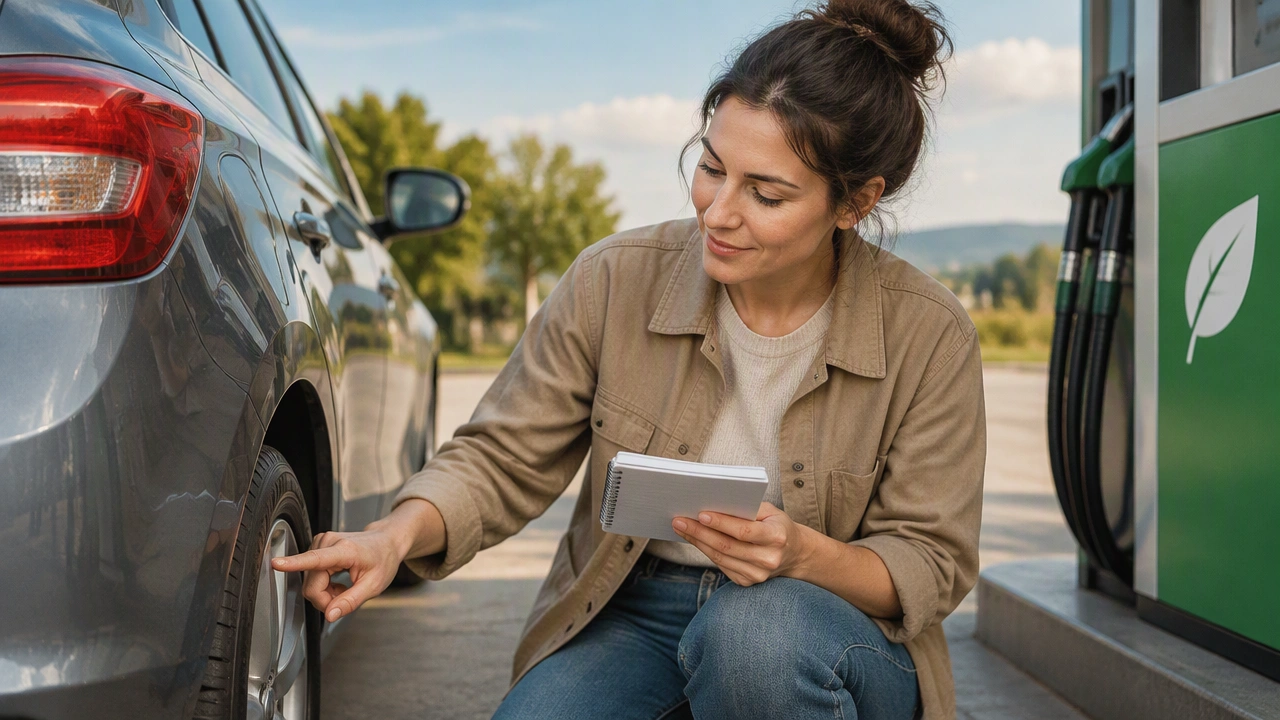
Tires affect rolling resistance and grip. Check tire pressure at least once a month and before longer trips. Use the number on the driver’s door jamb or in the owner’s manual, not the maximum on the tire sidewall. Proper pressure supports better mileage and even tread wear. If you notice uneven wear or the car pulling to one side, a rotation or alignment check can help.
Other routine items also matter. Clean air filters, fresh engine oil at the recommended intervals, and good spark plugs help the engine run smoothly. If the check engine light comes on, have it checked promptly. A small issue, like a loose gas cap or an oxygen sensor problem, can lower efficiency until it is fixed.
Remove Unnecessary Weight and Drag
Carrying heavy items all the time adds load. Take out what you do not need, especially for daily commuting. Roof racks and carriers increase air resistance, even when empty. If you do not use them often, removing them can improve highway efficiency. Close windows at higher speeds and use the cabin’s ventilation system for comfort when it helps reduce drag.
Plan Your Trips and Parking With Efficiency in Mind
Small planning choices add up. Combine errands into one outing when possible, choose routes with fewer stop-and-go segments, and consider parking that lets you avoid repeated cold starts. If you have flexibility, traveling a bit earlier or later can help you avoid the worst traffic. Short trips in very cold weather can be harder on fuel use because the engine stays below optimal temperature longer; bundling tasks helps reduce that effect.
When you park, pick a spot that makes departure simple and safe. Backing out of tight spaces and circling for a closer spot often means more low-speed maneuvering. A calm, direct route to and from parking can save fuel and reduce stress.
Use In-Vehicle Tools Without Distraction
Many cars show real-time fuel use, average mileage, and sometimes an eco score. Glance at these displays to learn how your habits affect consumption. A consistent, moderate reading usually signals smooth driving. If you see spikes, check whether you are accelerating too hard, braking late, or spending extra time idling. Use these tools as a guide, not a distraction, and keep your eyes on the road.
What to Expect Over Time
Results vary, but steady habits often lead to meaningful improvements over several tanks of fuel. The goal is not perfection; it is a calmer driving style that uses less energy and keeps the car predictable for other road users. Over weeks, you will notice patterns, such as the routes and times that are easiest for efficient driving.
Keep expectations realistic. Aggressive driving, heavy loads, strong headwinds, and hilly terrain can all reduce mileage. Focus on the things you can control: smooth throttle, early coasting, correct tire pressure, and basic maintenance. These steps are practical, repeatable, and effective for everyday drivers.
Keep It Simple and Consistent
The best approach is steady and straightforward. Gentle acceleration, calm speed control, reduced idling, proper tire care, and light loads all work together. If you keep these habits for a few weeks, they become automatic, and your daily driving will feel smoother and more predictable. That is the core of how to improve fuel economy while driving without complicated techniques or expensive upgrades.