
A Practical Used Car Inspection Checklist Before Buying
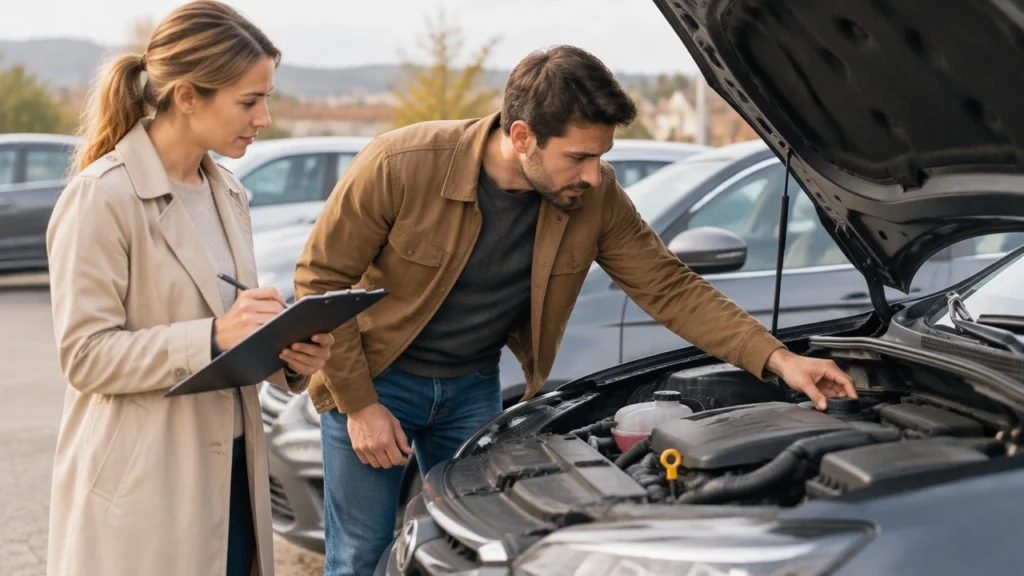
Buying a used car is part detective work and part risk management. A shiny finish and a friendly seller can mask wear, crash repairs, or expensive mechanical problems. This used car inspection checklist before buying gives you a calm, repeatable way to look closely, ask better questions, and decide when to walk away.
Set aside enough daylight and bring a phone, a small flashlight, a magnet, a paper towel, and a portable tire-depth gauge if you have one. If you are not mechanically confident, budget for an independent pre-purchase inspection. A trained technician can catch issues that are difficult to assess from the curb.
Start with the paperwork
Before you fall for the car, verify its history and legal status.
- Title and identity: Confirm the VIN on the dashboard, door jamb, and title match. Check that the seller is the named owner and that no lienholder is listed.
- History report: Look for accidents, flood damage, salvage or rebuilt titles, odometer discrepancies, and repeated service gaps. A report is not perfect, but contradictions deserve attention.
- Service records: Receipts for oil changes, brakes, tires, timing belts, transmissions, and major repairs help you estimate future costs.
- Recalls and warranty: Check open recalls and any remaining factory or third-party coverage. Ask whether the dealer will complete recall work before delivery.
- Identity of the seller: Private sales and dealership purchases carry different protections. Know the return policy, cooling-off rules, and required disclosures in your area.
Inspect the body and paint
Walk around the car twice: once for the big picture and once for small clues.
- Panel gaps: Compare the gaps around doors, hood, trunk, and fenders. Uneven or widened gaps can suggest prior collision repairs.
- Paint finish: Look for color shifts, overspray on trim, orange-peel texture, or blotchy reflections. Place a small magnet on metal panels; it may feel weaker over body filler.
- Rust and corrosion: Check wheel arches, rocker panels, trunk floors, and the underside of doors. Surface rust can be manageable, but structural corrosion is a serious concern.
- Glass and lights: Inspect windshields and windows for stars, chips, and repairs. Confirm all exterior lights work and match in color and age.
- Weather seals: Squeeze door and trunk seals. Cracked, loose, or missing seals can lead to leaks and wind noise.
Check tires, wheels, and undercarriage
Tires reveal how the car was driven and whether alignment or suspension parts are worn.
- Tread and age: Measure tread across the tire, not just the center. Read the DOT date code; uneven wear, bulges, or cracking are reasons to negotiate or walk away.
- Suspension stance: The car should sit level. A corner that sits lower may indicate a failed spring or other suspension problem.
- Leaks: Look beneath the car for fresh oil, coolant, transmission fluid, or brake fluid. Some stains are old, but active puddles are a warning.
- Damage underneath: Inspect the exhaust, subframes, and protective shields for bends, heavy scrapes, or corrosion, especially on vehicles from flood-prone regions.
Review the interior
The cabin shows how the car was treated and can hide electrical or water damage.
- Odometer logic: Compare mileage with wear on the steering wheel, pedals, seats, and switches. Inconsistent wear may indicate high use or an odometer issue.
- Smell and moisture: Musty odors, stained carpets, or damp spare-tire wells can point to leaks or flood exposure.
- Controls and features: Test windows, locks, mirrors, seats, climate control, infotainment, parking sensors, and cameras. Check that warning lights turn off after startup.
- Safety equipment: Confirm seat belts latch smoothly and airbag covers look untouched. A deployed or replaced airbag requires careful verification.
Understand what the engine bay is telling you
You do not need to be a mechanic to notice obvious neglect.
- Fluids: Inspect engine oil, coolant, brake fluid, and power-steering fluid for level and condition. Milky oil or a sweet coolant smell can signal serious trouble.
- Belts and hoses: Look for cracks, fraying, oil contamination, or loose clamps.
- Frame and bolts: Fresh paint, bent metal, or wrench marks around structural bolts may indicate recent repairs.
- Startup behavior: A long crank, rough idle, blue or white smoke, or strong fuel smell should be documented and discussed.
Take a purposeful test drive
Plan a route that includes city streets, a highway, a rough patch, and a quiet area where you can stop safely.
- Cold start: Whenever possible, start the engine from cold. Listen for ticking, knocking, or warning chimes.
- Transmission: Shift through all gears. Note harsh, delayed, or slipping behavior in automatics and grinding or difficulty in manuals.
- Brakes: Test moderate and gentle stops. Pulling, pulsation, squealing, or a long pedal travel deserve inspection.
- Steering and suspension: Drive straight without holding the wheel. Clunks over bumps, wandering, or vibration can indicate worn joints or tires.
- Noises and electronics: Turn the radio off and listen. Test cruise control, mirrors, defrosters, and driver-assistance alerts when safe.
Finish with a professional review and clear terms
If the car passes your initial checks, arrange an independent inspection at a trusted shop. Ask the technician to focus on structural damage, leaks, suspension, emissions readiness, and deferred maintenance. Use the written findings to negotiate repairs, price reductions, or a purchase decision.
Get the final agreement in writing, including price, included fees, promised repairs, warranty terms, and return conditions. Keep copies of the listing, messages, inspection results, and receipts. A careful inspection will not make every used car perfect, but it will replace guesswork with evidence and help you buy with fewer surprises.